

Recent Blog Posts
Statute of Limitations on Drug Charges
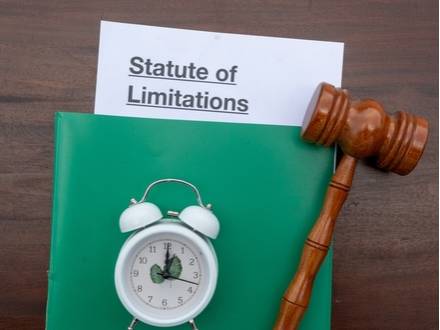 Drug charges can sometimes be filed months or even years after the alleged offense. In Florida, the deadline for filing depends on the type of drug crime. If you are dealing with a drug case in 2026, our Miami, FL drug crimes attorney can review your timeline and explain your options.
How Long Does Florida Have to File Drug Charges Against You?
Florida sets its criminal deadlines under Florida Statute 775.15. For most drug cases, the deadline depends on the degree of the charge:
- First-degree felonies: four years
- Second- and third-degree felonies: three years
- First-degree misdemeanors, including possession of 20 grams or less of marijuana and possession of drug paraphernalia: two years
What Happens If You're Charged with Doctor Shopping in Florida?
 Seeking a controlled substance while concealing that another provider recently prescribed you a similar medication can lead to a felony charge known as doctor shopping. IIf you are accused of doing so, you may be facing a serious felony drug charge known as doctor shopping. In 2026, Florida prosecutors pursue these cases aggressively, and the penalties can include years in prison. A Miami, FL criminal defense attorney can help you understand exactly where your case stands.
Is It Illegal to See Multiple Doctors for the Same Prescription in Florida?
Florida law makes doctor shopping to obtain additional controlled substances a crime. Under Florida Statute § 893.13(7)(a)8, you cannot hide information from a doctor or pharmacist when seeking a controlled substance prescription. The law bars anyone from getting a controlled substance by concealing a material fact, which includes that another provider already prescribed you the same drug.
How Does Florida's Stand Your Ground Defense Work in 2026?
 Florida's Stand Your Ground law gives people the right to use force, including deadly force, to defend themselves without retreating first. A 2023 Pew Research Center survey found that 72 percent of gun owners cite protection as a major reason they own a gun, yet many people who act in self-defense still end up facing serious criminal charges for a violent crime. Whether Stand Your Ground applies depends on the specific facts, and the legal process that follows an arrest has several steps that can determine whether your case ever reaches a jury.
If you are facing charges in 2026, a Miami, FL, criminal defense attorney can review your case and advise you on whether the Stand Your Ground defense applies.
What Does Florida's Stand Your Ground Law Cover?
Florida Statute § 776.012 allows a person to use or threaten force, including deadly force, to prevent death or great bodily harm to themselves or another person, or to stop a forcible felony. There is no duty to retreat first.
What Does "Adjudication Withheld" Mean in a Florida Domestic Violence Case?
 Adjudication withheld is a sentencing outcome that comes up often in Florida domestic violence cases, and it is widely misunderstood. Many people who accept it believe they have avoided the consequences of a conviction. In some ways, they have, but in others, the impact is nearly identical.
A Miami, FL domestic violence defense attorney can review your case and explain what this outcome would mean for your specific situation in 2026.
What Does Adjudication Withheld Mean in a Florida Criminal Case?
When a Florida judge withholds adjudication, the court accepts your guilty or no-contest plea but does not enter a formal conviction. The judge places you on probation or sets other conditions. If you complete them, then you are not officially convicted.
Adjudication withheld is not the same as an acquittal. An acquittal means a judge or jury found you not guilty. With adjudication withheld, you have entered a guilty or no-contest plea, but no formal conviction was entered.
Can Drug Charges in Florida Be Reduced Through a Diversion Program?
 If you are facing a drug charge in Florida for the first time, you may not have to go to trial or face a conviction. Florida law gives some defendants the chance to enter a diversion program instead. Completing the program may result in your charges being dismissed entirely, with no conviction on your record. Whether you qualify depends on the charge, your history, and how the program works in your county.
If you are facing a drug charge in 2026, a Miami, FL criminal defense attorney can help you understand whether diversion is an option in your case.
What Is Florida's Pretrial Diversion Program for Drug Charges?
Pretrial diversion, also called pretrial intervention or PTI, is an alternative to traditional prosecution. Instead of going to trial, a qualifying defendant enters a supervised program. The program typically runs between three and 18 months. It requires regular check-ins, drug testing, and sometimes counseling or community service.
The Violation of Domestic Violence Injunction
 Violating a domestic violence injunction in Florida is a criminal offense, even if the protected person contacted you first. Most people charged with a violation have no idea that something like a single text back to the protected person could lead to an arrest. If you are facing an injunction charge in 2026, a Miami, FL domestic violence defense attorney can review the facts and explain your options.
What Is a Domestic Violence Injunction in Florida?
A domestic violence injunction is a civil court order that limits contact between two people. Under Florida Statute § 741.30, a person who has been a victim of domestic violence, or who believes harm is coming, can ask a judge for this order. A judge can issue a temporary injunction the same day, without the other person present.
Can You Be Charged with Drug Trafficking in Florida Without Selling Anything?
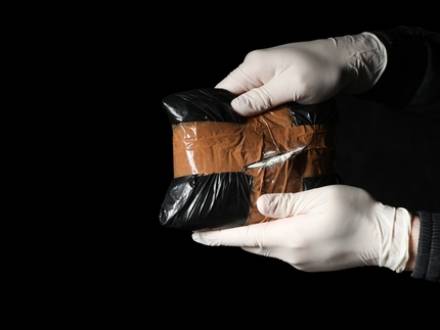 You can be charged with drug trafficking in Florida without ever selling a single thing. Under Florida law, trafficking is not about what you did with a drug but rather about how much of it you had. If the amount you possessed crossed a specific weight threshold, you face a first-degree felony with mandatory prison time that a judge cannot reduce, no matter your intent.
If you are facing a drug trafficking charge in 2026, the Miami, FL criminal defense attorney at Stroleny Law: Criminal Defense Attorney can review the evidence and identify every available defense.
Does Florida Law Require a Sale for a Drug Trafficking Charge?
Most people picture drug trafficking as moving or selling large amounts of drugs across state lines. Florida law sees it differently. Under Florida Statute § 893.135, trafficking includes simply being in possession of a controlled substance above a set weight threshold. If the amount allegedly possessed crosses the statutory threshold, prosecutors can charge the offense as trafficking even if no money changed hands, no sale was planned, and no other person was involved.
What to Do if You Have an Arrest Warrant in Miami?
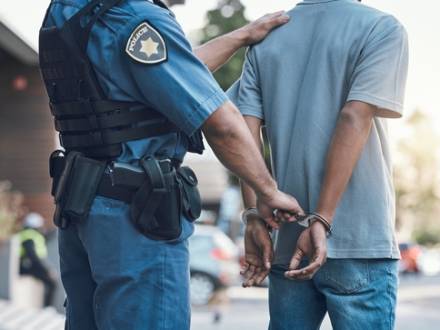 If you find out there is a warrant for your arrest in Miami, the worst thing you can do is wait. A warrant does not expire or go away on its own. Under Florida law, arrest warrants and bench warrants stay active until a judge recalls them or you are taken into custody. That means a police officer can arrest you at a traffic stop, at work, or at home. Waiting only narrows your options and puts you at risk of a surprise arrest.
If you are dealing with a warrant in 2026, a Miami, FL criminal defense attorney can help you understand your options.
How to Check Whether You Have a Warrant in Miami-Dade County
Many people do not know they have a warrant until they are stopped by police for something unrelated. You can check your status before that happens. The Miami-Dade Clerk of the Court and Comptroller offers an online criminal case search that allows you to look up case information by name, free of charge.
What Happens If You Violate Probation on a Drug Charge in Florida?
 When a Florida judge sentences you to probation for a drug charge instead of prison, you’re not off the hook. One failed drug test, one missed check-in, or one new arrest can land you back in front of a judge facing the full prison term from your original conviction.
Florida law gives prosecutors significant power in these hearings, and the standard of proof is lower than at a criminal trial. If you are in this situation in 2026, a Miami, FL criminal defense attorney can help you understand your options before the hearing date.
What Does It Mean to Violate Probation on a Drug Charge in Florida?
When a judge puts you on probation instead of sending you to prison for a drug offense, you must follow a set of rules for the whole probation period. Breaking any of those rules is called a probation violation. Under Florida Statute § 948.06, a law enforcement officer or probation officer may arrest you without a warrant if there are reasonable grounds to believe you violated probation in a material way. In some technical violation cases, the court may use a notice or other process instead.
What Are the Penalties for Fentanyl Possession in Florida?
 Selling, making, transporting, or otherwise dealing in fentanyl is one of the most aggressively prosecuted drug crimes in Florida. Even a small amount can lead to felony charges. Going over certain weight limits turns a possession case into a trafficking charge with mandatory prison time that a judge cannot reduce. If you are facing a fentanyl charge in 2026, a Miami, FL criminal defense attorney can help you understand what you are up against and start building your defense.
How Does Florida Classify Fentanyl as a Controlled Substance?
Florida law lists pharmaceutical-level fentanyl and certain analogs as Schedule II controlled substances under Florida Statute § 893.03. Other fentanyl analogs are Schedule I substances under the same law. Schedule II drugs have some accepted medical uses but carry a high risk of addiction and abuse. Schedule I drugs have no accepted medical use and a high potential for abuse. Having any amount of fentanyl of any kind without a valid prescription can lead to criminal charges.
Contact Us
Connect with Us and Take the First Step Toward Justice
To get the legal help you need in your criminal case, reach out to our firm today. We will provide you with a free consultation where our attorney will review your case and advise you of your legal options.
66 W Flagler St., Suite 1005
Miami, FL 33130
P 305-615-1285

Please fill out the form below or call 305-615-1285 to contact us.



From our Miami office, Stroleny Law: Criminal Defense Attorney serves clients across the city, including Allapattah, Brickell, Coconut Grove, Coral Way, the Design District, Downtown Miami, Edgewater, Liberty City, Little Haiti, Little Havana, Overtown, the Upper East Side (MiMo District), and Wynwood. Our reach also extends throughout Miami-Dade County, representing clients in Aventura, Coral Gables, Doral, El Portal, Florida City, Hialeah, Homestead, Key Biscayne, Miami Gardens, Miami Springs, North Miami, North Miami Beach, Opa-locka, Pinecrest, South Miami, Sunny Isles Beach, Sweetwater, and West Miami.
Results listed are not a guarantee or indication of future case results.
© 2026 Stroleny Law: Criminal Defense Attorney
66 W Flagler St., Suite 1005, Miami, FL 33130
305-615-1285
